
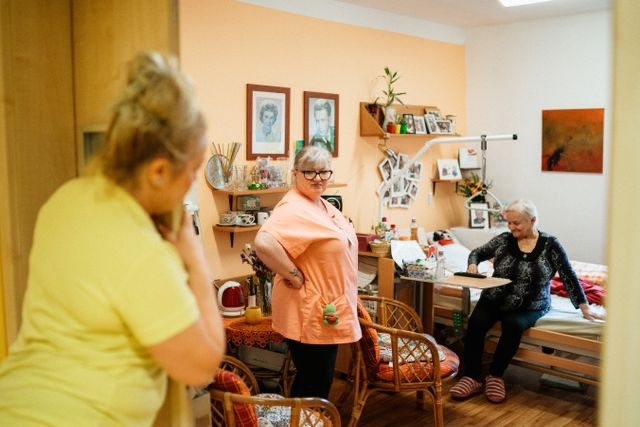
Preparing for the Change to Assisted Living
Moving to an assisted living community is one of the most significant transitions an older adult and their family may experience. It often brings a mix of emotions, questions, and practical considerations. Whether the decision develops gradually or follows a change in health or support needs, thoughtful preparation can help everyone feel more confident throughout the process.
Understanding what to expect, planning ahead, and maintaining open communication can make the transition smoother while supporting dignity, comfort, and personal choice.
Recognizing When Additional Support May Be Helpful
One of the most challenging aspects of this transition is recognizing when additional support may benefit a loved one. Families often spend considerable time evaluating whether assisted living is the right next step.
Signs that additional support may be helpful can include difficulty managing medications, challenges with meal preparation, changes in personal hygiene, reduced social interaction, or concerns about safety in the community. These changes often develop gradually, making them easy to overlook at first.
Conversations about assisted living are often most productive when approached with empathy and respect. Allowing older adults to share their concerns, preferences, and goals helps create a more collaborative decision-making process and reinforces that their voice remains central to the discussion.
Having Open and Supportive Conversations
Discussing a move to assisted living can feel emotional for everyone involved. Starting these conversations early often provides more opportunities to explore options without feeling rushed.
Rather than focusing solely on challenges, families may find it helpful to discuss the benefits a supportive community can provide. These can include assistance with daily tasks, opportunities for social connection, access to dining services, and support that helps make everyday life more manageable.
It is equally important to listen carefully. Older adults may have concerns about leaving familiar surroundings or adapting to new routines. Encouraging honest dialogue allows family members to better understand what matters most to their loved one and incorporate those preferences into the planning process.
Organizing the Practical Details
Once a community has been selected, attention can shift to preparing for the move itself. Creating a checklist of tasks can help make the process more organized and reduce stress.
Families may need to coordinate updates with healthcare providers, insurance companies, financial institutions, and other service providers. It can also be helpful to review important documents and ensure that all necessary paperwork has been completed before move-in day.
Sorting through personal belongings is often one of the most meaningful parts of the transition. Taking time to choose favorite furniture, photographs, decorations, and treasured keepsakes can help create a sense of familiarity in a new apartment. Involving a loved one in these decisions whenever possible helps preserve personal choice and can make the transition feel more positive.
Preparing Emotionally for the Transition
Even when a move is clearly beneficial, feelings of uncertainty, sadness, or anxiety are normal. Older adults may miss familiar surroundings, neighbors, routines, or memories connected to their previous living environment.
Family members may also experience a range of emotions, including concern, sadness, or uncertainty about the change. Acknowledging these feelings rather than dismissing them can help everyone adjust more comfortably.
The transition period often requires patience. Some residents feel comfortable quickly, while others need additional time to become familiar with their new surroundings. Maintaining regular communication and providing encouragement can help build confidence during the adjustment process.
Becoming Familiar with the Community
Feeling comfortable in a new community often develops through participation and connection. Learning about available programs, dining options, shared spaces, and community events can help residents become more familiar with their surroundings.
Encouraging a loved one to participate in programs that match their interests can help them build relationships with neighbors and discover enjoyable ways to spend their time. Whether those interests include art, music, games, educational presentations, fitness opportunities, or discussion groups, finding familiar activities can create a greater sense of belonging.
For families exploring Assisted Living in Clinton, IA, learning about a community’s services, communication practices, and resident programs can offer valuable insight into how it supports new residents during the transition process. Understanding these details ahead of time can help families feel more prepared and informed.
Staying Involved After Move-In
The transition does not end on move-in day. Continued involvement from family members can play an important role in helping a loved one settle into their new community.
Regular visits, phone calls, and participation in community events can help maintain strong family connections. Building relationships with team members and staying informed about a loved one’s experiences can also support open communication and mutual understanding.
As residents become more comfortable, families often discover that assisted living provides opportunities for their loved ones to enjoy meaningful social connections, personalized support, and greater peace of mind.
Conclusion
Preparing for the move to assisted living involves both practical planning and emotional support. By recognizing changing needs, having honest conversations, organizing important details, and remaining involved throughout the process, families can help create a smoother transition.
Every older adult adjusts at their own pace, and patience is an important part of that journey. With thoughtful preparation and ongoing support, the move to assisted living can open the door to a community that promotes comfort, connection, dignity, and quality of life while respecting each resident’s individual preferences and choices.